
Essentials of Nattokinase
2025-12-03
Nattokinase for Metabolic Health: Support Lipids, Circulation & Glucose Balance
“Metabolic health” is now a core New Year goal: people want better cholesterol, triglycerides, blood pressure and blood sugar before numbers drift into metabolic syndrome. Nattokinase, a fibrinolytic enzyme from Japanese natto, is best known for circulation and cardiovascular support. Newer data suggest it may also touch key aspects of metabolic health, especially blood lipids, through its impact on vessels and blood flow.
Know more about nattokinase: High Cholesterol: A Silent Threat and the Power of Natural Solutions
What is nattokinase, in simple terms?
Nattokinase is a serine protease enzyme produced when Bacillus subtilis ferments soybeans. It helps:
.Break down fibrin, a protein involved in clot formation
.Support the body’s fibrinolytic system, helping keep blood flowing smoothly
Better circulation and healthier vessels are closely tied to lipid balance, blood pressure and organ function, which is why nattokinase is now discussed in the context of metabolic health. (1)
Nattokinase & blood lipids
Preclinical work in high-fat diet models shows nattokinase can improve lipid handling and reduce atherosclerotic plaque formation. (2)
In humans, a large clinical study with 1,062 participants reported that 12 months of nattokinase: (3)
.Improved total cholesterol, LDL-C and triglycerides
.Reduced markers of atherosclerosis progression
A recent review in Nutrients highlights nattokinase’s lipid-lowering and anti-atherosclerotic potential, particularly at higher daily doses and longer use, with a good safety profile in the trials reviewed. (2)
Formulas combining nattokinase + red yeast rice* also show meaningful drops in cholesterol and LDL-C, illustrating how nattokinase can work well inside multi-ingredient cardiometabolic products. (4)
Still, nattokinase is not a replacement for prescription lipid drugs. It’s best described as a circulation and vascular-support enzyme that can contribute to a healthier lipid profile over time.
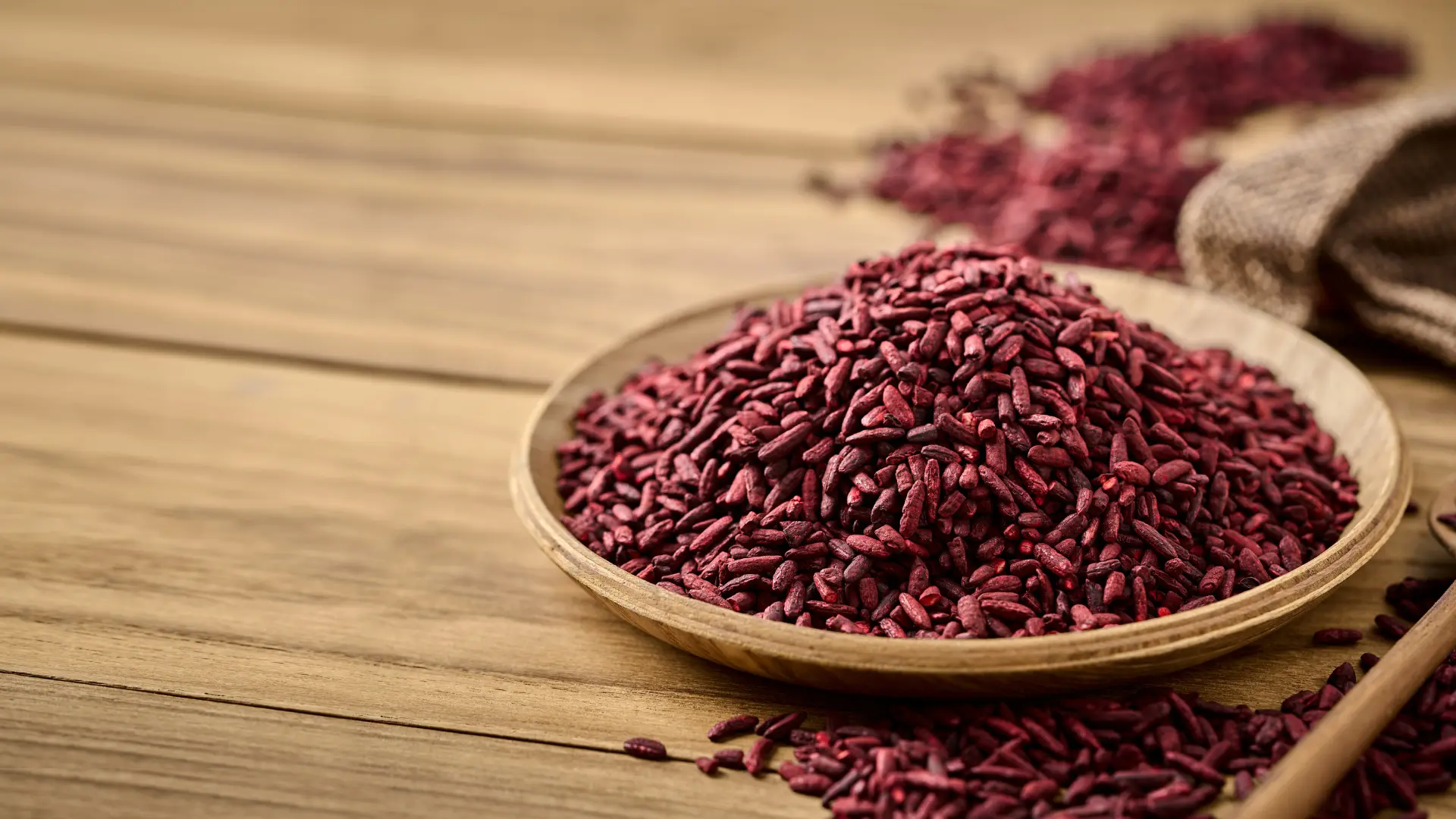
*According to the latest scientific opinion of EFSA’s NDA Panel, the safety of red yeast rice preparations cannot be established and no safe daily intake of monacolins from RYR can be identified, as serious musculoskeletal and liver adverse effects continue to be reported even at 3 mg/day of monacolin K.
In light of this and the marked variability of commercial RYR products, many formulators in the EU are now reconsidering red yeast rice and looking to non-statin cardiometabolic options such as nattokinase (nattiase®) in future product concepts. (5)
Natto, Nattokinase and Blood Sugar: What We Know So Far
For blood sugar, the strongest data today are for natto as a food, not isolated nattokinase:
.A Japanese-style breakfast with natto and viscous vegetables improved post-meal glucose, insulin and insulin sensitivity in overweight adults with impaired glucose tolerance. (6)
.γ-PGA–rich natto has been shown to blunt postpranㄨdial blood glucose and insulin spikes in a crossover trial. (7)
These effects likely come from a combination of natto components (γ-PGA, fiber, fermentation metabolites) plus the overall meal structure.
For purified nattokinase supplements, evidence for direct glucose-lowering is still limited and mixed, so claims around “blood sugar control” should stay cautious and framed as indirect metabolic support via better circulation and vascular health rather than a glucose drug.
Key takeaways
.Nattokinase is more than a clot enzyme—it now has human data for improving lipid profile and slowing atherosclerosis progression.
.Natto-based meals can smooth post-meal glucose and insulin responses, but purified nattokinase alone is not yet a blood sugar drug.
.For brands, nattokinase (e.g., nattiase®) is best framed as a cardiovascular + metabolic support ingredient, not a stand-alone therapy—ideal for New Year “heart & metabolic health” concepts
References
(1) Wei, C. et al., “Research Progress of Nattokinase in Reducing Blood Lipid.”, 2025 (doi: https://doi.org/10.3390/nu17111784)
(2) Zhou, Y. et al., “Decoding nattokinase efficacy: From digestion and absorption to lipid pathway modulation in high-fat diet-induced atherosclerosis”, 2025 (doi: https://doi.org/10.1016/j.fbio.2025.106203)
(3) Chen, H. et al., “Effective management of atherosclerosis progress and hyperlipidemia with nattokinase: A clinical study with 1,062 participants”, 2022 (doi: https://doi.org/10.3389/fcvm.2022.964977)
(4) Liu, M. et al., “Lipid-lowering, antihypertensive, and antithrombotic effects of nattokinase combined with red yeast rice in patients with stable coronary artery disease: a randomized, double-blinded, placebo-controlled trial.”, 2024 (doi: https://doi.org/10.3389/fnut.2024.1380727)
(5) EFSA Panel on Nutrition et al., “Scientific Opinion on additional scientific data related to the safety of monacolins from red yeast rice submitted pursuant to Article 8(4) of Regulation (EC) No 1925/2006”, 2025 (doi: https://doi.org/10.2903/j.efsa.2025.9276)
(6) Taniguchi-Fukatsu, A. et al., “Natto and viscous vegetables in a Japanese-style breakfast improved insulin sensitivity, lipid metabolism and oxidative stress in overweight subjects with impaired glucose tolerance”, 2012 (doi: https://doi.org/10.1017/S0007114511004156)
(7) Araki R. et al., “Gamma-Polyglutamic Acid-Rich Natto Suppresses Postprandial Blood Glucose Response in the Early Phase after Meals: A Randomized Crossover Study.”, 2020 (doi: https://doi.org/10.3390/nu12082374 )
Related Articles

Essentials of Nattokinase
2026-04-20
What Causes Plaque Buildup? Understanding LDL, Triglycerides, and Where Nattokinase Fits
Plaque buildup is not just about “high cholesterol.” Learn how LDL, triglycerides, endothelial stress, and chronic inflammation shape atherosclerosis, and where nattokinase becomes relevant.
Read More
Essentials of Nattokinase
2026-05-18
What is metabolic health? Understanding glucose, lipids, and circulation
A clear framework of metabolic health, connecting glucose, lipids, circulation, and early metabolic imbalance.
Read More