Part of the Blood Flow & Thrombosis Hub
This article belongs to our blood flow and thrombosis education series. For the full framework on circulation, clot formation, fibrinolysis, vascular support, and where nattokinase fits in the evidence, start with Blood Flow & Thrombosis Fundamentals.
In 2019, the total number of stroke cases in the U.S. reached 7.09 million, and 57% of these were women. More surprisingly, stroke is no longer exclusive to the elderly, their incidence is rising among younger and middle-aged populations, particularly concentrated in the Southern and Midwestern U.S.
To address this health threat, besides controlling the ‘three highs’ (hypertension, hyperglycemia, hyperlipidemia) with healthy lifestyle choices, scientists have recently expressed considerable interest in a natural active ingredient: Nattokinase (NK).
What is Nattokinase and Why is it being studied for stroke?
Nattokinase (NK) is an enzyme found in traditional Japanese natto. It is known for fibrin clot degradation and promotes blood circulation, making it one of the natural fibrinolytic enzymes.
While not a drug, many studies have shown that it has similar mechanisms of action to pharmaceutical, including:
- Reducing the viscosity of blood
- Activating the body’s fibrinolysis system (e.g., t-PA)
- Inhibiting platelet aggregation
What do the results tell? From animal to human clinical trials
🐭Animal study 1: Ischemic Stroke Model (Gerbils)
This study investigated the effects of Nattokinase on stroke outcomes in gerbils.
.Experimental design: fed NK (80 and 800 FU/day) for 7 days before inducing a stroke.
.Result: The infarct volume/size of brain was reduced by 54~68% (p<0.01)
.Key Finding: The high dosage group showed more significant antithrombosis and neuroprotective effects.
🐀Animal model 2: Preventive Feeding + Inflammation Response Analysis (Rats)
This study explored the preventive effects of Nattokinase and its impact on inflammatory responses in rats.
.Experimental design: Rats were administered high doses of NK (5,000–20,000 FU/kg/day) for 7 consecutive days.
.Result: Reduced the expression of reactive oxygen species (ROS), inflammation factors and coagulation proteins.
.Key Finding: Nattokinase exhibited a triple action: anti-inflammatory, antithrombotic, and antioxidant effects.
What about humans use? What do clinical results say?
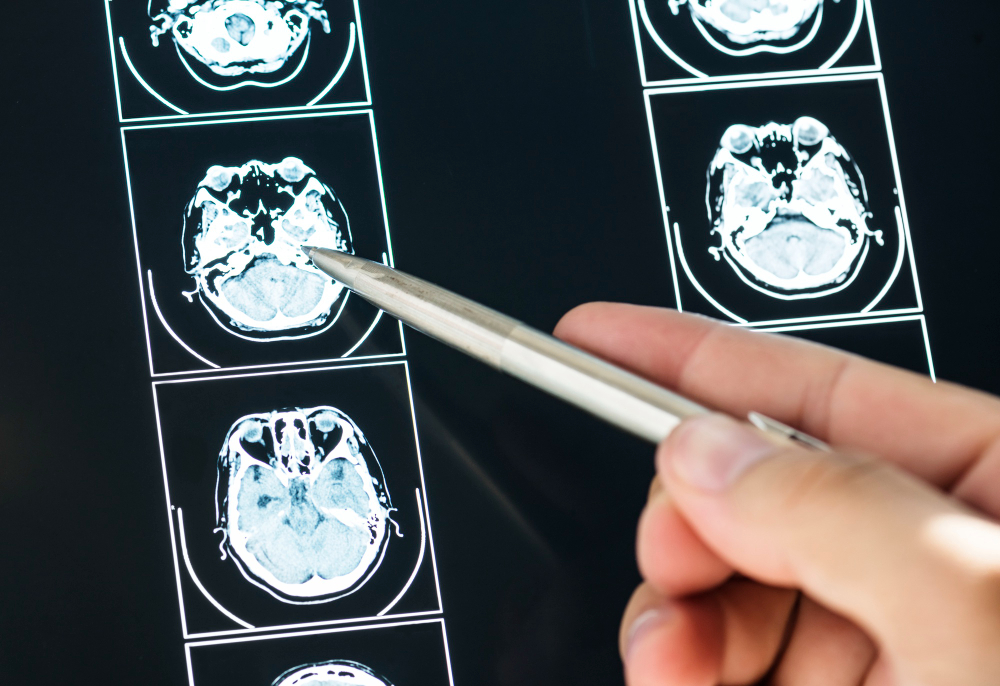
🧘♀️A clinical study focusing on subacute ischemic stroke patients reported the following:
.Patients orally consumed 1,200 FU of NK daily for 60 days.
.Results: Stroke symptoms showed statistically significant improvements, supporting NK’s potential value during the recovery period.
Despite the limited sample size of the clinical trials, researchers are calling for further large-scale clinical experiments to explore NK’s potential application as a nutritional supplement.
Who might benefit from nattokinase? We don’t sell dreams; we share facts.
Nattokinase might be worth considering if you are:
.Someone with a family history of stroke, hypertension, or hyperlipidemia.
.Looking for the natural, non-drug solution for daily health maintenance.
.A health brand developer interested in creating cardiovascular or brain-health products.
You should pay attention to NK’s potential, especially given its consistent effects demonstrated across numerous scientific studies.
It's also noteworthy that most sources of Nattokinase are natural and can be consumed long-term.
FAQ
Q: Is nattokinase suitable for all stroke risk groups?
A:Current research primarily focuses on the prevention of ischemic stroke risk. It is not recommended for patients with hemorrhagic stroke or those currently taking anticoagulant medications.
Q: What is the effective daily dosage of Nattokinase (FU)?
A: The clinical trial dosages shared here range around 1200 FU/day. However, actual intake should adhere to the product's recommended dosage. Currently, a common dosage available on the market is 2000 FU/day, though this can vary due to regional market differences and regulations.
Cooperate with us or request technical information?
We are welcome to global brand owners, formulation development teams, and functional food companies to contact with us:
📩 Request nattiase® clinical data summaries or technical specifications.
👉 Contact us or email us at: info@contek.asia
Extend Reading
.Curious how to self-assess your risk of stroke?
.Did you know scientists have discovered that gut microbiota can differentiate between stroke types, potentially without other diagnostic tests?
References
Phoung et al., “Nattospes as effective and safe functional supplements in management of stroke.”, 2020 (doi: https://doi.org/10.1089/jmf.2019.0183)
Wu et al., “Nattokinase as a functional food ingredient: Therapeutic applications and mechanisms in age-related diseases./span>”, 2024 (doi: https://doi.org/10.26599/FSHW.2022.9250198)
Wang et al., “ Nattokinase reduces brain infarction, fibrinogen and activated partial thromboplastin time against cerebral ischemia-reperfusion injury.”,2012 (doi: https://doi.org/10.6227/jfda.2012200317)
Yang et al., “Nattokinase’s neuroprotective mechanisms in ischemic stroke: Targeting inflammation, oxidative stress, and coagulation.”,2025 (doi: https://doi.org/10.1089/ars.2023.0527)
GBD 2019 Stroke Collaborators. , “Global, regional, and national burden of stroke and its risk factors, 1990-2019: a systematic analysis for the Global Burden of Disease Study 2019.”, 2021 (doi: https://doi.org/10.1016/S1474-4422(21)00252-0)
Related Articles

Essentials of Nattokinase
2026-04-20
What Causes Plaque Buildup? Understanding LDL, Triglycerides, and Where Nattokinase Fits
Plaque buildup is not just about “high cholesterol.” Learn how LDL, triglycerides, endothelial stress, and chronic inflammation shape atherosclerosis, and where nattokinase becomes relevant.
Read More
Essentials of Nattokinase
2026-05-18
What is metabolic health? Understanding glucose, lipids, and circulation
A clear framework of metabolic health, connecting glucose, lipids, circulation, and early metabolic imbalance.
Read More